
How to Scrape Britannica: Educational Data Web Scraper
Scrape Encyclopedia Britannica for verified facts, biographies, and academic articles. Learn how to build high-quality datasets for AI research and...
Anti-Bot Protection Detected
- Cloudflare
- Enterprise-grade WAF and bot management. Uses JavaScript challenges, CAPTCHAs, and behavioral analysis. Requires browser automation with stealth settings.
- Rate Limiting
- Limits requests per IP/session over time. Can be bypassed with rotating proxies, request delays, and distributed scraping.
- IP Blocking
- Blocks known datacenter IPs and flagged addresses. Requires residential or mobile proxies to circumvent effectively.
- Browser Fingerprinting
- Identifies bots through browser characteristics: canvas, WebGL, fonts, plugins. Requires spoofing or real browser profiles.
- Legal Monitoring
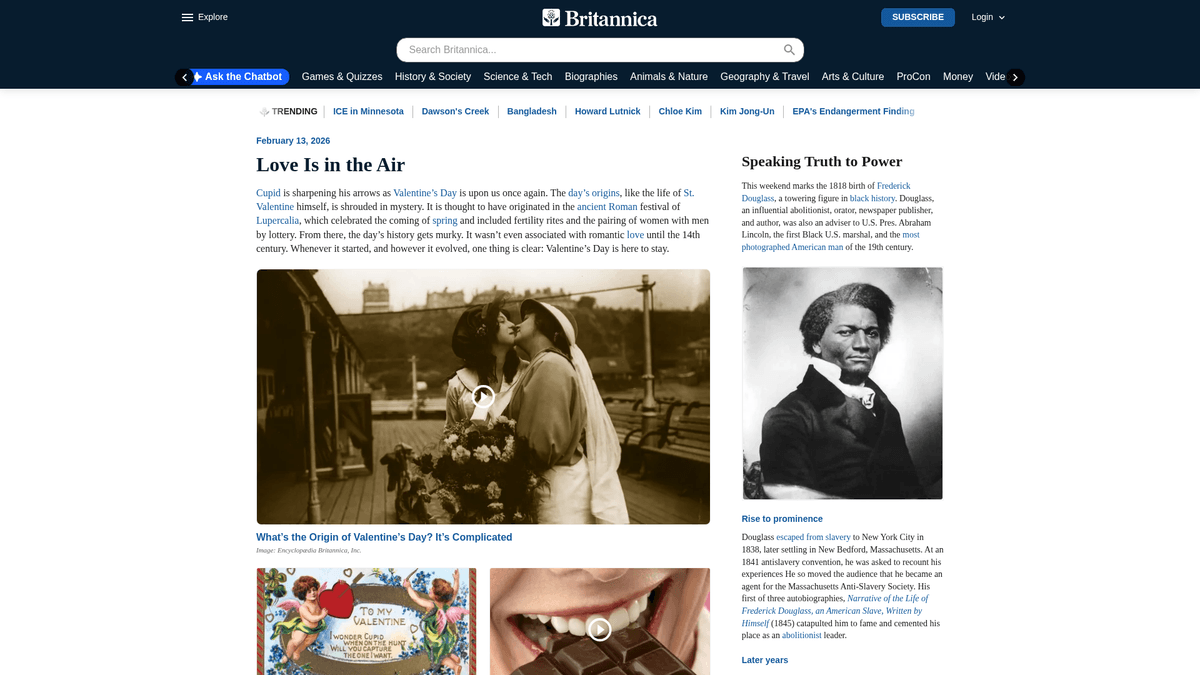
About Encyclopedia Britannica
Learn what Encyclopedia Britannica offers and what valuable data can be extracted from it.
The Gold Standard of Verified Information
Encyclopedia Britannica is a premier global resource for verified information, featuring hundreds of thousands of articles written by Nobel laureates, historians, and subject matter experts. It serves as a digital successor to the world's most famous printed encyclopedia, providing deep insights into science, history, culture, and more.
A Library of Structured Data
The website hosts a massive library of structured data, including 'Fast Facts' boxes, detailed biographies, and educational media for children and adults. For scrapers, this represents one of the most reliable and high-authority knowledge bases available for training language models or conducting academic studies.
Strategic Value for AI and RAG
Scraping Britannica is particularly valuable for developers building Retrieval-Augmented Generation (RAG) systems. Because the content is peer-reviewed and fact-checked, it offers a level of accuracy that raw web data lacks, making it a gold mine for knowledge-based applications.
Why Scrape Encyclopedia Britannica?
Discover the business value and use cases for extracting data from Encyclopedia Britannica.
LLM Factual Accuracy Training
Britannica provides a high-authority, human-vetted dataset that is essential for training Large Language Models to reduce hallucinations and improve factual reliability.
Knowledge Graph Construction
The structured relationships in Britannica articles, such as 'Related Topics' and cross-links, allow researchers to build complex semantic maps of human knowledge.
Educational App Content
Developers can aggregate verified summaries and historical facts to power educational platforms, student study tools, and interactive reference apps.
Fact-Checking Benchmarking
Scraping Britannica allows for the creation of a 'ground truth' database that can be used to automatically verify claims made in social media or news cycles.
Biographical Data Extraction
The 'Fast Facts' section provides a dense source of structured biographical data, including birth dates, nationalities, and key achievements for thousands of historical figures.
Scraping Challenges
Technical challenges you may encounter when scraping Encyclopedia Britannica.
Cloudflare Security Mitigation
Britannica employs aggressive Cloudflare protection that uses browser fingerprinting and JavaScript challenges to block non-browser-based scraping attempts.
Dynamic Content Rendering
Many elements, such as the full text of long articles or interactive infoboxes, are lazy-loaded or require JavaScript execution to appear in the DOM.
Strict Rate Limiting
The server monitors request frequency closely, often issuing temporary 403 Forbidden errors or permanent IP bans if high-volume crawling is detected without proper delays.
Complex Nested Selectors
Article layouts vary between biographical, scientific, and historical entries, making it difficult to maintain consistent CSS selectors for data extraction.
Scrape Encyclopedia Britannica with AI
No coding required. Extract data in minutes with AI-powered automation.
How It Works
Describe What You Need
Tell the AI what data you want to extract from Encyclopedia Britannica. Just type it in plain language — no coding or selectors needed.
AI Extracts the Data
Our artificial intelligence navigates Encyclopedia Britannica, handles dynamic content, and extracts exactly what you asked for.
Get Your Data
Receive clean, structured data ready to export as CSV, JSON, or send directly to your apps and workflows.
Why Use AI for Scraping
AI makes it easy to scrape Encyclopedia Britannica without writing any code. Our AI-powered platform uses artificial intelligence to understand what data you want — just describe it in plain language and the AI extracts it automatically.
How to scrape with AI:
- Describe What You Need: Tell the AI what data you want to extract from Encyclopedia Britannica. Just type it in plain language — no coding or selectors needed.
- AI Extracts the Data: Our artificial intelligence navigates Encyclopedia Britannica, handles dynamic content, and extracts exactly what you asked for.
- Get Your Data: Receive clean, structured data ready to export as CSV, JSON, or send directly to your apps and workflows.
Why use AI for scraping:
- Built-in Anti-Bot Bypassing: Automatio automatically handles complex browser fingerprints and Cloudflare challenges, ensuring your scraper stays undetected without manual configuration.
- Visual Data Selection: Precisely target specific article sections, author citations, or infobox attributes using a point-and-click interface, eliminating the need for complex code.
- Autonomous Crawling Logic: Easily set up workflows to navigate Britannica's A-Z directory or subject categories to collect thousands of articles in a single automated run.
- Structured JSON Output: Extract data directly into clean JSON or CSV formats, preserving the hierarchy of headings and metadata for immediate use in AI applications.
No-Code Web Scrapers for Encyclopedia Britannica
Point-and-click alternatives to AI-powered scraping
Several no-code tools like Browse.ai, Octoparse, Axiom, and ParseHub can help you scrape Encyclopedia Britannica. These tools use visual interfaces to select elements, but they come with trade-offs compared to AI-powered solutions.
Typical Workflow with No-Code Tools
Common Challenges
Learning curve
Understanding selectors and extraction logic takes time
Selectors break
Website changes can break your entire workflow
Dynamic content issues
JavaScript-heavy sites often require complex workarounds
CAPTCHA limitations
Most tools require manual intervention for CAPTCHAs
IP blocking
Aggressive scraping can get your IP banned
No-Code Web Scrapers for Encyclopedia Britannica
Several no-code tools like Browse.ai, Octoparse, Axiom, and ParseHub can help you scrape Encyclopedia Britannica. These tools use visual interfaces to select elements, but they come with trade-offs compared to AI-powered solutions.
Typical Workflow with No-Code Tools
- Install browser extension or sign up for the platform
- Navigate to the target website and open the tool
- Point-and-click to select data elements you want to extract
- Configure CSS selectors for each data field
- Set up pagination rules to scrape multiple pages
- Handle CAPTCHAs (often requires manual solving)
- Configure scheduling for automated runs
- Export data to CSV, JSON, or connect via API
Common Challenges
- Learning curve: Understanding selectors and extraction logic takes time
- Selectors break: Website changes can break your entire workflow
- Dynamic content issues: JavaScript-heavy sites often require complex workarounds
- CAPTCHA limitations: Most tools require manual intervention for CAPTCHAs
- IP blocking: Aggressive scraping can get your IP banned
Code Examples
import requests; from bs4 import BeautifulSoup; url = 'https://www.britannica.com/biography/George-Washington'; headers = {'User-Agent': 'Mozilla/5.0'}; try: response = requests.get(url, headers=headers); response.raise_for_status(); soup = BeautifulSoup(response.text, 'html.parser'); title = soup.find('h1').text.strip(); content = soup.find('div', {'class': 'topic-content'}).text.strip(); print(f'Title: {title}'); print(f'Snippet: {content[:200]}...'); except Exception as e: print(f'Error: {e}')When to Use
Best for static HTML pages where content is loaded server-side. The fastest and simplest approach when JavaScript rendering isn't required.
Advantages
- ●Fastest execution (no browser overhead)
- ●Lowest resource consumption
- ●Easy to parallelize with asyncio
- ●Great for APIs and static pages
Limitations
- ●Cannot execute JavaScript
- ●Fails on SPAs and dynamic content
- ●May struggle with complex anti-bot systems
How to Scrape Encyclopedia Britannica with Code
Python + Requests
import requests; from bs4 import BeautifulSoup; url = 'https://www.britannica.com/biography/George-Washington'; headers = {'User-Agent': 'Mozilla/5.0'}; try: response = requests.get(url, headers=headers); response.raise_for_status(); soup = BeautifulSoup(response.text, 'html.parser'); title = soup.find('h1').text.strip(); content = soup.find('div', {'class': 'topic-content'}).text.strip(); print(f'Title: {title}'); print(f'Snippet: {content[:200]}...'); except Exception as e: print(f'Error: {e}')Python + Playwright
import asyncio; from playwright.async_api import async_playwright; async def scrape_britannica(): async with async_playwright() as p: browser = await p.chromium.launch(headless=True); page = await browser.new_page(); await page.goto('https://www.britannica.com/biography/Abraham-Lincoln'); await page.wait_for_selector('h1'); data = {'title': await page.inner_text('h1'), 'facts': await page.inner_text('.topic-identifier-list')}; print(data); await browser.close(); asyncio.run(scrape_britannica())Python + Scrapy
import scrapy; class BritannicaSpider(scrapy.Spider): name = 'britannica'; start_urls = ['https://www.britannica.com/browse/History-Society']; def parse(self, response): for article in response.css('a.topic-link'): yield response.follow(article, self.parse_article); def parse_article(self, response): yield {'url': response.url, 'title': response.css('h1::text').get().strip(), 'author': response.css('.contributor-name::text').get(), 'text': ' '.join(response.css('p::text').getall())}Node.js + Puppeteer
const puppeteer = require('puppeteer'); (async () => { const browser = await puppeteer.launch(); const page = await browser.newPage(); await page.goto('https://www.britannica.com/topic/socialism'); const data = await page.evaluate(() => { return { title: document.querySelector('h1').innerText, summary: document.querySelector('p').innerText }; }); console.log(data); await browser.close(); })();What You Can Do With Encyclopedia Britannica Data
Explore practical applications and insights from Encyclopedia Britannica data.
LLM Fine-Tuning
Researchers can use Britannica data to improve the factual accuracy of AI models using human-curated information.
How to implement:
- 1Crawl high-level topic categories
- 2Extract full article text and cross-references
- 3Clean HTML to plain text format
- 4Tokenize and prepare datasets for model training
Use Automatio to extract data from Encyclopedia Britannica and build these applications without writing code.
What You Can Do With Encyclopedia Britannica Data
- LLM Fine-Tuning
Researchers can use Britannica data to improve the factual accuracy of AI models using human-curated information.
- Crawl high-level topic categories
- Extract full article text and cross-references
- Clean HTML to plain text format
- Tokenize and prepare datasets for model training
- Educational Chatbot
Create a bot that answers student queries using verified Britannica data as the primary knowledge source.
- Scrape articles and summary boxes
- Embed data into a vector search engine
- Connect search results to an LLM like GPT-4
- Allow users to query specific historical or scientific facts
- Digital Timeline Generator
Automatically generate historical timelines for textbooks or web apps using extracted life events.
- Scrape Fast Facts for dates of birth, death, or major events
- Extract chronological headers from articles
- Map events to a temporal database
- Visualize data in a front-end timeline interface
- Fact-Checking Interface
Build a tool that verifies claims against Britannica's peer-reviewed archive.
- Index major historical and scientific assertions
- Create a search API for extracted snippets
- Match user-inputted claims against the verified index
- Return source links for verification
- Academic Citation Database
Develop a comprehensive database of academic topics and their authorized contributors.
- Scrape author and contributor names from topic pages
- Map contributors to their areas of expertise
- Store citation data including last modified dates
- Export for use in bibliography management tools
Supercharge your workflow with AI Automation
Automatio combines the power of AI agents, web automation, and smart integrations to help you accomplish more in less time.
What to get right first
Expert advice for successfully extracting data from Encyclopedia Britannica.
Utilize XML Sitemaps
Instead of crawling internal links, use Britannica's sitemap.xml files to find direct URLs for articles, which reduces the number of requests and avoids detection.
Rotate Residential Proxies
Always use a pool of residential proxies rather than datacenter IPs to mimic real user behavior and bypass geographic or IP-based rate limits.
Target the Kids Subdomain
For projects requiring simplified summaries or 'cleaner' HTML, scrape kids.britannica.com which often has fewer scripts and more straightforward content blocks.
Implement Random Jitter
Simulate human browsing by adding random delays (2-8 seconds) between article requests to avoid triggering automated traffic alarms.
Scroll for Media Extraction
Ensure your scraper performs a scroll action to trigger the lazy-loading of high-resolution images and multimedia captions within the article body.
Related Web Scraping
How to Scrape GitHub | The Ultimate 2025 Technical Guide
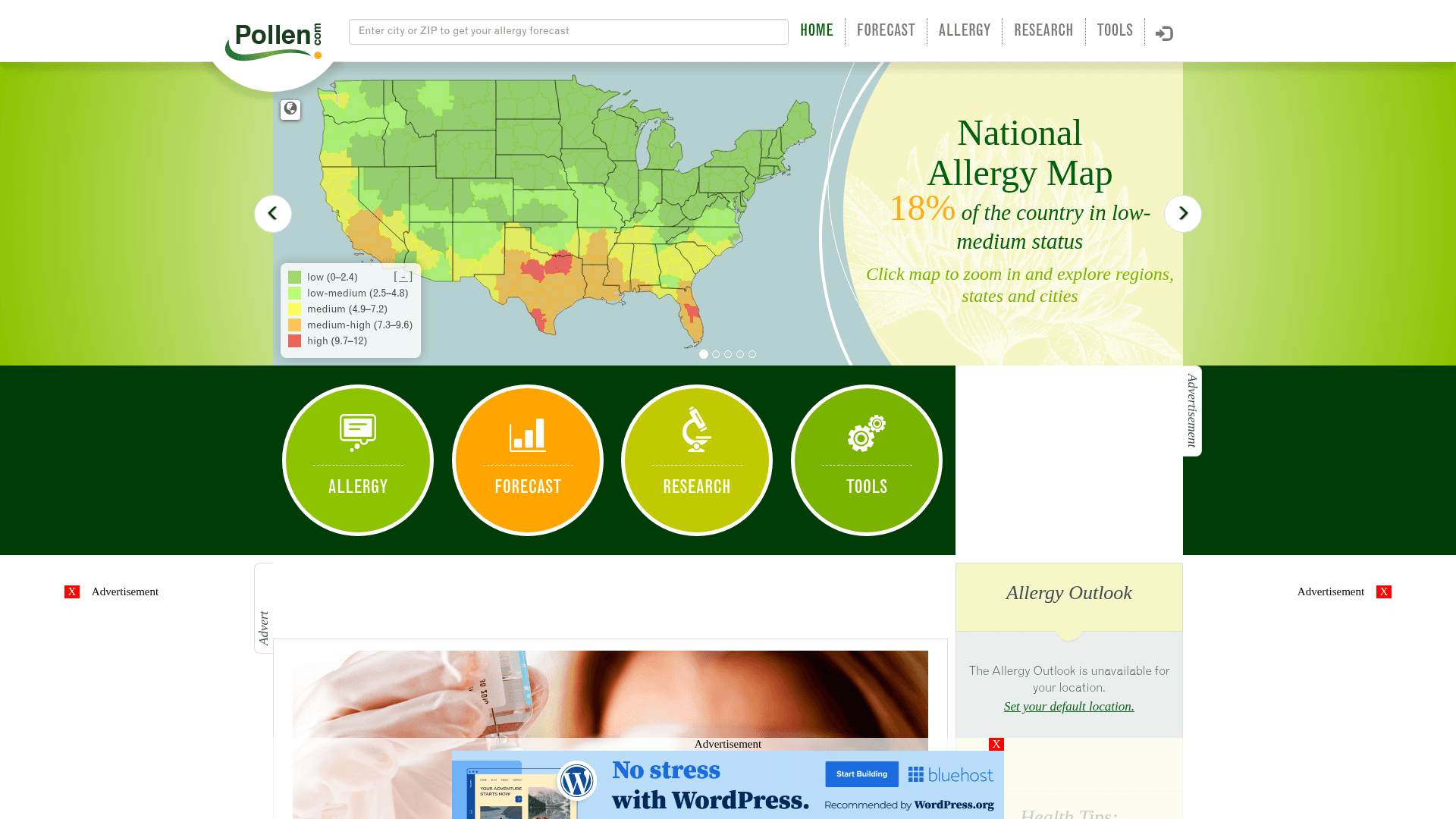
How to Scrape Pollen.com: Local Allergy Data Extraction Guide
How to Scrape Worldometers for Real-Time Global Statistics
How to Scrape RethinkEd: A Technical Data Extraction Guide
How to Scrape Wikipedia: The Ultimate Web Scraping Guide
How to Scrape Weather.com: A Guide to Weather Data Extraction
How to Scrape American Museum of Natural History (AMNH)
How to Scrape Poll-Maker: A Comprehensive Web Scraping Guide
Frequently Asked Questions
Find answers to common questions about Encyclopedia Britannica