

How to Scrape RE/MAX (remax.com) Real Estate Listings
Learn how to scrape RE/MAX for real estate listings, agent info, and market trends. Extract property prices, features, and locations from remax.com efficiently.
Free to start: 1,000 credits, no card, nothing to install.
About RE/MAX
Learn what RE/MAX offers and what valuable data can be extracted from it.
RE/MAX is a premier global real estate franchisor founded in 1973, operating through a vast network of over 140,000 agents in more than 110 countries. The website serves as a comprehensive database for residential and commercial real estate, connecting prospective buyers and sellers with high-quality property listings.
The platform contains an immense volume of structured data, including current property values, detailed housing specifications (bedrooms, bathrooms, square footage), neighborhood demographics, and agent performance history. It aggregates information from various Multiple Listing Services (MLS), providing a centralized portal for real-time market activity across thousands of local markets.
Scraping RE/MAX data is exceptionally valuable for investors and real estate professionals seeking to perform competitive market analysis, lead generation for home services, and price monitoring. By aggregating this data, users can identify investment opportunities, track urban development trends, and build automated reporting systems for mortgage, insurance, or property management businesses.

Why Scrape RE/MAX?
Discover the business value and use cases for extracting data from RE/MAX.
Real-Time Market Arbitrage
Monitor property listings across different regions to identify undervalued assets before they are cross-posted to larger aggregator sites like Zillow.
Hyper-Local Pricing Data
Extract specific price-per-square-foot data for niche neighborhoods to build more accurate valuation models for appraisal or investment purposes.
Automated Agent Lead Lists
Build comprehensive databases of top-performing real estate agents and brokerages by ZIP code, complete with verified contact information and listing volume.
Historical Value Assessment
Track historical price drops and listing status changes to identify motivated sellers and understand local market cooling or heating trends.
Investment Property Filtering
Automate the search for specific property attributes, such as lot size or year built, to find high-potential fixer-uppers or development-ready land.
Competitive Inventory Benchmarking
Analyze brokerage market share in specific territories to help new real estate agencies identify gaps in the market and competitor strengths.
Scraping Challenges
Technical challenges you may encounter when scraping RE/MAX.
Next.js Dynamic Hydration
RE/MAX uses Next.js, meaning listing data is often stored in a JSON object within a script tag that requires JavaScript execution to load properly.
Aggressive Cloudflare Protection
The site uses advanced Cloudflare and DataDome shielding that can detect and block automated scrapers based on browser fingerprinting and IP reputation.
Internal Data Obfuscation
Data fields are occasionally nested within complex JSON structures or use dynamic CSS classes that change during site updates, breaking traditional scrapers.
Regional Domain Variability
Different international domains like remax.ca or remax.eu may have unique HTML structures and anti-bot settings, requiring adaptable scraping logic.
Rate-Limited Search Results
Rapidly navigating through search results can trigger mandatory reCAPTCHA challenges, especially when using data center IP addresses.
Scrape RE/MAX with AI
No coding required. Extract data in minutes with AI-powered automation.
How It Works
Describe What You Need
Tell the AI what data you want to extract from RE/MAX. Just type it in plain language — no coding or selectors needed.
AI Extracts the Data
Our artificial intelligence navigates RE/MAX, handles dynamic content, and extracts exactly what you asked for.
Get Your Data
Receive clean, structured data ready to export as CSV, JSON, or send directly to your apps and workflows.
Why Use AI for Scraping
No-Code Web Scrapers for RE/MAX
Point-and-click alternatives to AI-powered scraping
Several no-code tools like Browse.ai, Octoparse, Axiom, and ParseHub can help you scrape RE/MAX. These tools use visual interfaces to select elements, but they come with trade-offs compared to AI-powered solutions.
Typical Workflow with No-Code Tools
Common Challenges
Learning curve
Understanding selectors and extraction logic takes time
Selectors break
Website changes can break your entire workflow
Dynamic content issues
JavaScript-heavy sites often require complex workarounds
CAPTCHA limitations
Most tools require manual intervention for CAPTCHAs
IP blocking
Aggressive scraping can get your IP banned
Code Examples
import requests
from bs4 import BeautifulSoup

# Note: Raw requests often fail due to Cloudflare; headers are critical
url = 'https://www.remax.com/homes-for-sale/co/denver/city/0820000'
headers = {
    'User-Agent': 'Mozilla/5.0 (Windows NT 10.0; Win64; x64) AppleWebKit/537.36 (KHTML, like Gecko) Chrome/119.0.0.0 Safari/537.36',
    'Accept': 'text/html,application/xhtml+xml,application/xml;q=0.9,image/avif,image/webp,*/*;q=0.8'
}

try:
    response = requests.get(url, headers=headers, timeout=10)
    response.raise_for_status()
    soup = BeautifulSoup(response.content, 'html.parser')

    # Example: Finding property price elements
    prices = soup.select('[data-test="property-price"]')
    for price in prices:
        print(f'Found Property Price: {price.get_text(strip=True)}')
except requests.exceptions.RequestException as e:
    print(f'Error scraping RE/MAX: {e}')
When to Use
Best for static HTML pages where content is loaded server-side. The fastest and simplest approach when JavaScript rendering isn't required.
Advantages
- ●Fastest execution (no browser overhead)
- ●Lowest resource consumption
- ●Easy to parallelize with asyncio
- ●Great for APIs and static pages
Limitations
- ●Cannot execute JavaScript
- ●Fails on SPAs and dynamic content
- ●May struggle with complex anti-bot systems
import asyncio
from playwright.async_api import async_playwright

async def run():
    async with async_playwright() as p:
        browser = await p.chromium.launch(headless=True)
        context = await browser.new_context(
            user_agent='Mozilla/5.0 (Windows NT 10.0; Win64; x64) AppleWebKit/537.36 (KHTML, like Gecko) Chrome/119.0.0.0 Safari/537.36'
        )
        page = await context.new_page()

        print('Navigating to RE/MAX...')
        await page.goto('https://www.remax.com/homes-for-sale/co/denver/city/0820000', wait_until='networkidle')

        # Wait for property list to load
        await page.wait_for_selector('.property-card')

        listings = await page.query_selector_all('.property-card')
        for listing in listings:
            price = await listing.query_selector('[data-test="property-price"]')
            address = await listing.query_selector('[data-test="property-address"]')
            if price and address:
                print(f'Price: {await price.inner_text()} | Address: {await address.inner_text()}')

        await browser.close()

asyncio.run(run())
When to Use
Use when content loads dynamically via JavaScript, or when you need to interact with the page (clicks, scrolls, form fills). Handles modern anti-bot detection better.
Advantages
- ●Executes JavaScript like a real browser
- ●Handles SPAs and dynamic content
- ●Better anti-bot evasion with stealth plugins
- ●Can take screenshots and PDFs
Limitations
- ●Slower than HTTP requests
- ●Higher memory/CPU usage
- ●More complex to set up
import scrapy

class RemaxSpider(scrapy.Spider):
    name = 'remax_spider'
    allowed_domains = ['remax.com']
    start_urls = ['https://www.remax.com/homes-for-sale/co/denver/city/0820000']

    def parse(self, response):
        for listing in response.css('.property-card'):
            yield {
                'price': listing.css('[data-test="property-price"]::text').get(),
                'address': listing.css('[data-test="property-address"]::text').get(),
                'beds': listing.css('[data-test="property-beds"]::text').get(),
            }

        next_page = response.css('a[data-test="pagination-next"]::attr(href)').get()
        if next_page:
            yield response.follow(next_page, self.parse)
When to Use
Ideal for large-scale crawling projects that need to scrape thousands of pages. Built-in support for rate limiting, retries, and data pipelines.
Advantages
- ●Built for scale (millions of pages)
- ●Automatic request throttling
- ●Built-in data export pipelines
- ●Middleware system for proxies/headers
Limitations
- ●Steeper learning curve
- ●Overkill for small projects
- ●No native JavaScript rendering
const puppeteer = require('puppeteer');

(async () => {
  const browser = await puppeteer.launch({ headless: true });
  const page = await browser.newPage();
  await page.setUserAgent('Mozilla/5.0 (Windows NT 10.0; Win64; x64) AppleWebKit/537.36 (KHTML, like Gecko) Chrome/119.0.0.0 Safari/537.36');

  await page.goto('https://www.remax.com/homes-for-sale/co/denver/city/0820000', { waitUntil: 'networkidle2' });

  const data = await page.evaluate(() => {
    const cards = Array.from(document.querySelectorAll('.property-card'));
    return cards.map(card => ({
      price: card.querySelector('[data-test="property-price"]')?.innerText,
      address: card.querySelector('[data-test="property-address"]')?.innerText
    }));
  });

  console.log(data);
  await browser.close();
})();
When to Use
Choose this if you're in a Node.js/JavaScript ecosystem or need tight integration with frontend tools. Similar capabilities to Playwright.
Advantages
- ●Native JavaScript/TypeScript support
- ●Chrome DevTools Protocol access
- ●Large ecosystem and community
- ●Good for JS-heavy projects
Limitations
- ●Chrome-only (vs Playwright's multi-browser)
- ●Similar overhead to Playwright
- ●Less mature stealth options
What You Can Do With RE/MAX Data
Explore practical applications and insights from RE/MAX data.
Real Estate Market Trend Analysis
Analyze housing market health by tracking inventory levels and median prices over time.
How to implement:
- 1Schedule daily scrapes for specific metropolitan areas.
- 2Store list price and days on market in a historical database.
- 3Calculate rolling averages for median home prices.
- 4Visualize trends to identify market shifts.
Use Automatio to extract data from RE/MAX and build these applications without writing code.
Automated Competitor Monitoring
Monitor competing brokerage activity and inventory shares in specific zip codes.
How to implement:
- 1Scrape listing agent and office data from all properties in target regions.
- 2Aggregate data to see which brokerages hold the highest inventory.
- 3Track 'New Listings' vs 'Sold' status changes daily.
- 4Generate weekly market share reports.
Use Automatio to extract data from RE/MAX and build these applications without writing code.
Lead Generation for Home Improvement
Find new homeowners or sellers who may require renovation or moving services.
How to implement:
- 1Extract listings marked as 'New' or 'Under Contract'.
- 2Filter for keywords like 'Fixer Upper'.
- 3Identify properties with large lot sizes for landscaping services.
- 4Automate outreach to listing agents.
Use Automatio to extract data from RE/MAX and build these applications without writing code.
Investment Property Deal Sourcing
Identify undervalued properties by comparing listing prices against neighborhood averages.
How to implement:
- 1Scrape listing price and neighborhood name.
- 2Calculate the 'Price per Square Foot' for active listings.
- 3Flag properties listed below the area average.
- 4Send instant alerts to investors.
Use Automatio to extract data from RE/MAX and build these applications without writing code.
Mortgage and Insurance Lead Pipelines
Capture fresh leads for financial services by identifying consumers entering the buying process.
How to implement:
- 1Monitor 'Open House' listings to identify active buyers.
- 2Scrape listing prices to estimate required mortgage amounts.
- 3Cross-reference location data with climate risk scores for insurance.
- 4Feed leads into CRM systems for personalized outreach.
Use Automatio to extract data from RE/MAX and build these applications without writing code.
Supercharge your workflow with AI Automation
Automatio combines the power of AI agents, web automation, and smart integrations to help you accomplish more in less time.
What to get right first
Expert advice for successfully extracting data from RE/MAX.
Parse the Internal Script Tag
Locate the script tag with the ID '__NEXT_DATA__' to access the raw JSON state of the page, which is more reliable than scraping visible text.
Leverage Map Search Coordinates
Construct search URLs using latitude and longitude coordinates to get more granular results that are often not visible through standard city-name searches.
Rotate High-Quality Proxies
Always use residential proxies to scrape RE/MAX. Data center IPs are almost universally flagged by their security layers, leading to immediate blocks.
Implement Human-Like Delays
Avoid a linear scraping pattern by adding random sleep intervals between 5 and 15 seconds to simulate a real user's browsing behavior.
Verify the 'Last Updated' Field
Always extract the timestamp of the last update to ensure you aren't collecting 'ghost' listings that are no longer active on the market.
Monitor for Search Result Limits
If a search returns thousands of results, use more specific filters to break the data into smaller chunks, as the site may limit the number of accessible pages.
Related Web Scraping
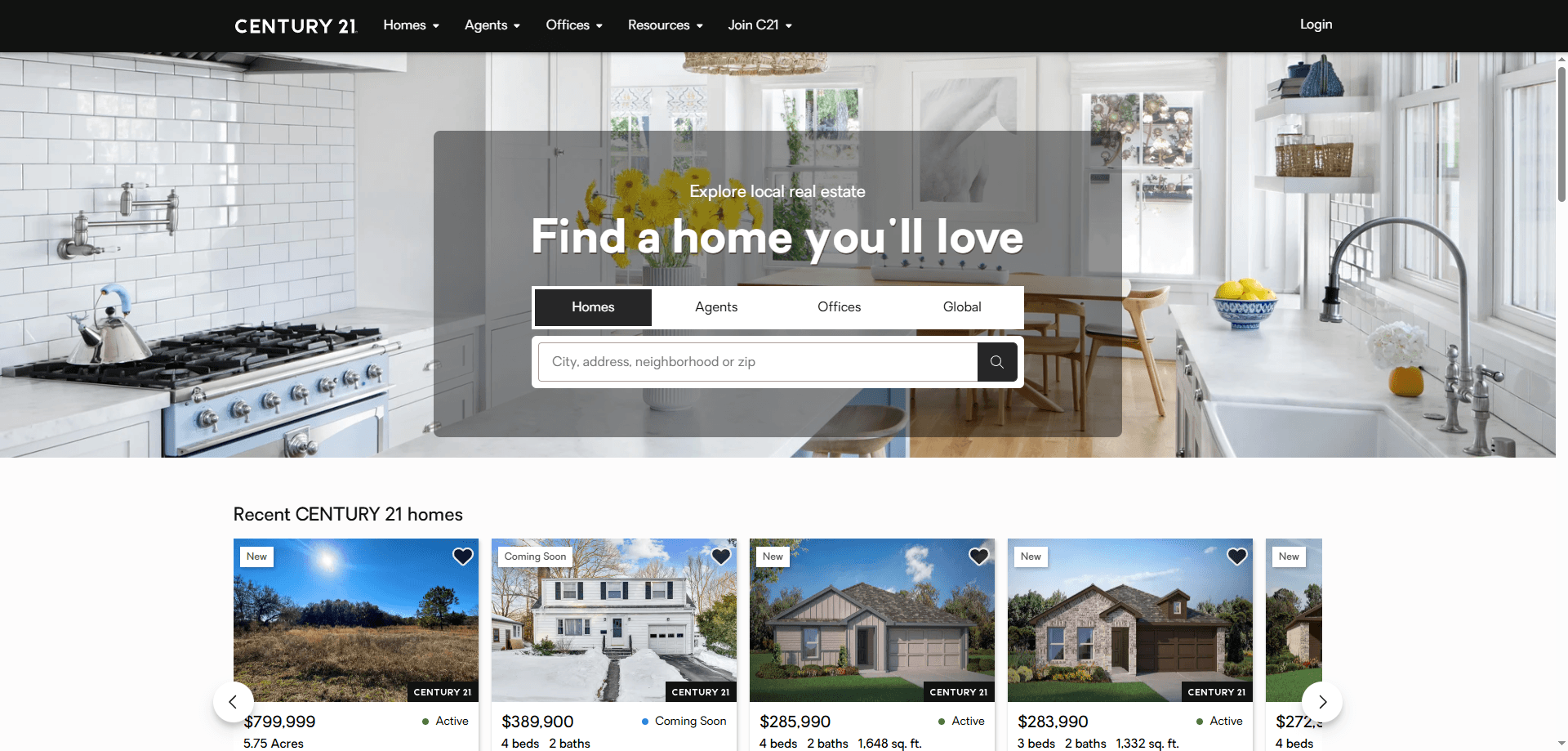
How to Scrape Century 21 Property Listings

How to Scrape Geolocaux | Geolocaux Web Scraper Guide

How to Scrape SeLoger Bureaux & Commerces
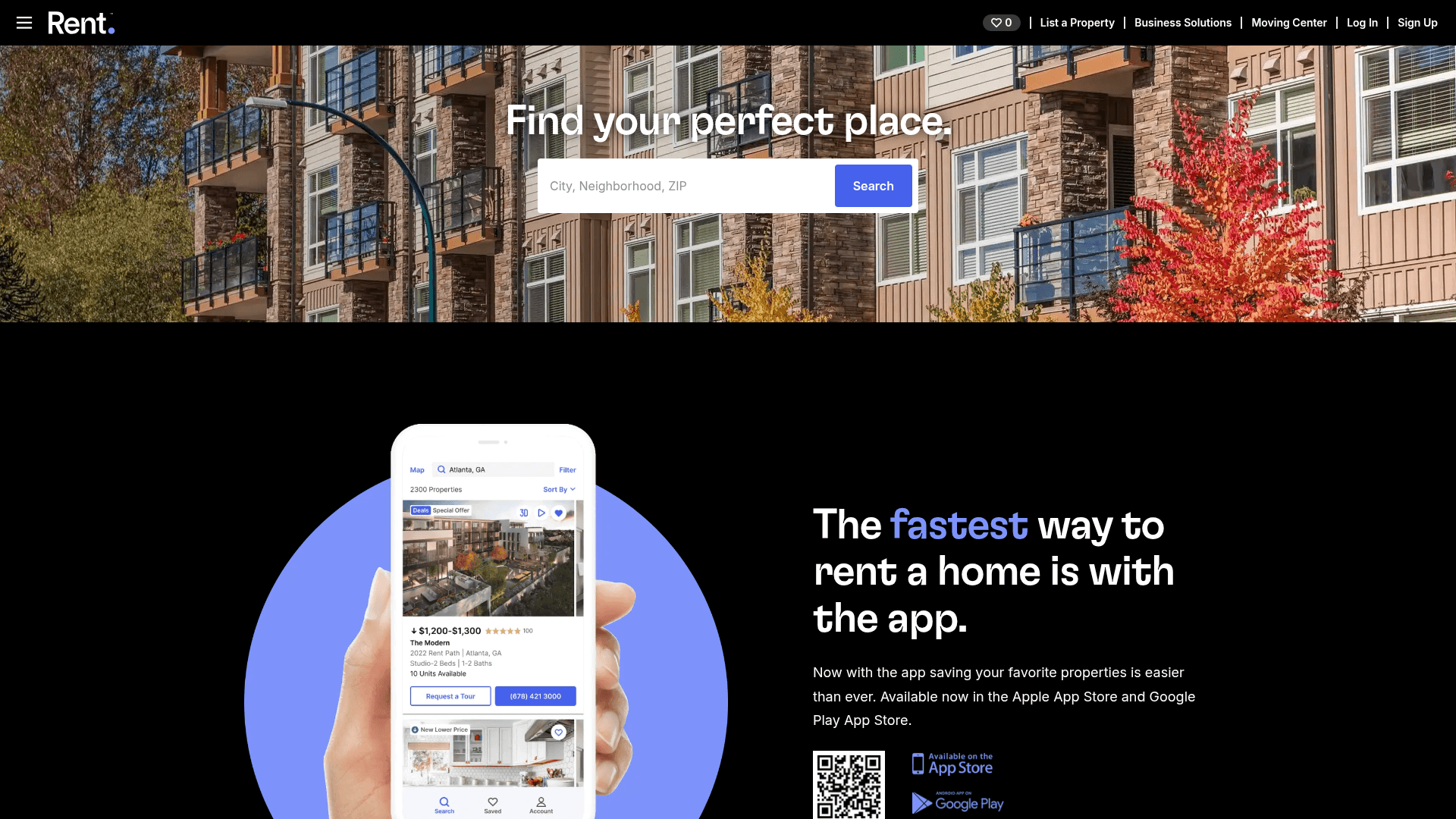
How to Scrape Rent.com: A Guide to Real Estate Data Extraction
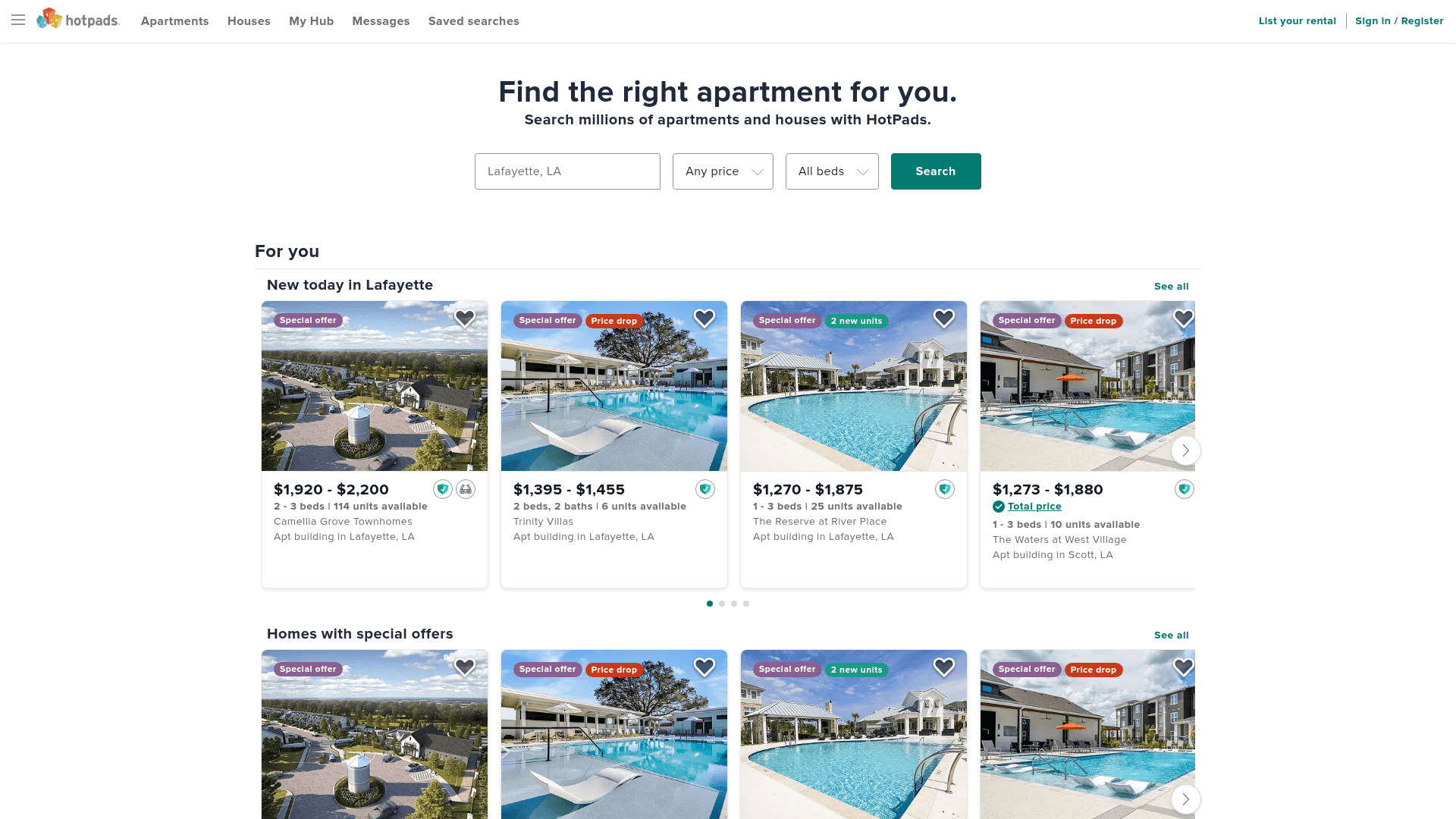
How to Scrape HotPads: A Complete Guide to Extracting Rental Data

How to Scrape Apartments.com | Apartments.com Web Scraper Guide
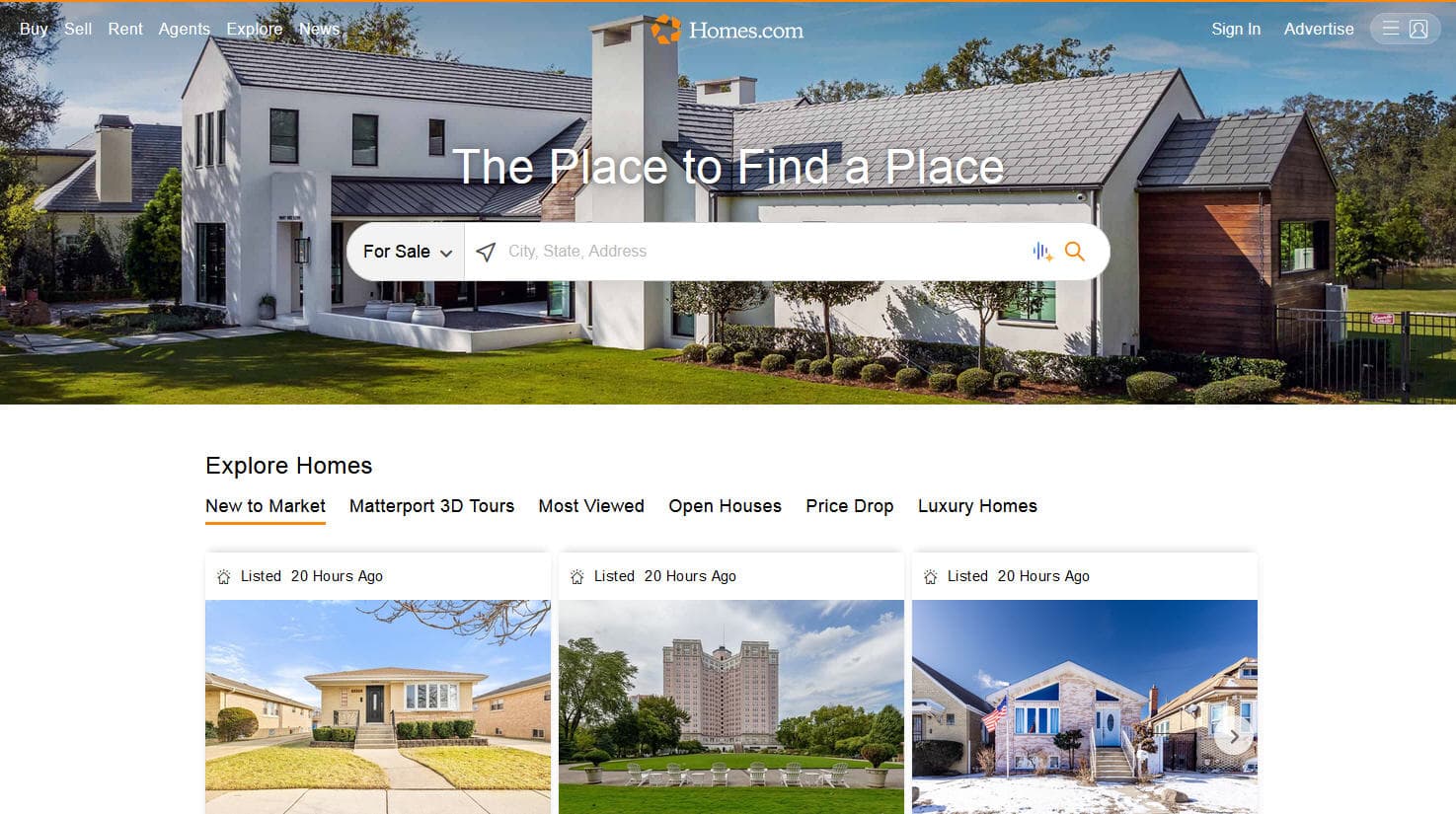
How to Scrape Homes.com: Real Estate Data Extraction Guide
How to Scrape BureauxLocaux: Commercial Real Estate Data Guide
Frequently Asked Questions
Find answers to common questions about RE/MAX
Is it legal to scrape RE/MAX?
Scraping publicly accessible property listings is generally legal for research and internal analysis as per major court rulings like hiQ v. LinkedIn. However, you should always respect the site's robots.txt file and avoid republishing their data or images in a way that violates copyright or their Terms of Service.
Does RE/MAX have an official API for developers?
RE/MAX provides official APIs primarily through its European Datahub and IDX feeds for brokers and franchise owners. These are often restricted to licensed real estate professionals, making web scraping the most effective alternative for independent researchers.
How do I avoid getting blocked by RE/MAX?
To prevent blocking, you must use a headless browser to properly handle JavaScript hydration and rotate high-quality residential proxies. Mimicking human behavior by using random click paths and varying your request intervals is also essential to bypass behavioral detection.
What data format can I export?
Data can be exported in several structured formats including CSV for spreadsheet analysis, JSON for software integration, or directly into Google Sheets. Most users prefer JSON because it handles the nested attributes of property listings, like room details and image lists, more effectively.
How often should I scrape for new properties?
The frequency depends on your goals; for general market research, a daily crawl is sufficient. If you are tracking price drops or competitive investment opportunities, running your scraper every 4 to 6 hours ensures you catch changes shortly after they occur.
What proxies work best for RE/MAX?
Residential proxies are highly recommended because RE/MAX uses Cloudflare and DataDome to identify and block data center IP ranges. Residential IPs provide the legitimacy of a home internet user, making your traffic indistinguishable from real site visitors.
Can I scrape agent contact information?
Yes, agent names, phone numbers, and office addresses are available on both property detail pages and the 'Find an Agent' directory. Your scraper can be configured to navigate from a listing to the agent's profile page to capture full contact details.
Does scraping RE/MAX require JavaScript?
Yes, RE/MAX is a modern dynamic web application built with Next.js. Without a JavaScript-enabled environment, you will only see the shell of the page and will miss the actual listing data that is loaded during the hydration process.
Can I scrape RE/MAX listings in other countries?
Absolutely. While remax.com is the primary US site, you can target international subdomains like remax.ca (Canada) or remax.eu (Europe). Note that while the core layout is similar, you may need to adjust your selectors slightly for localized site versions.