

How to Scrape Redfin: Real Estate Data Extraction Guide
Scrape Redfin for property listings. \n\nMarket Trends: Extract MLS data. \n\nInvestment: Find deals. \n\nReal Estate data at scale.
Free to start: 1,000 credits, no card, nothing to install.
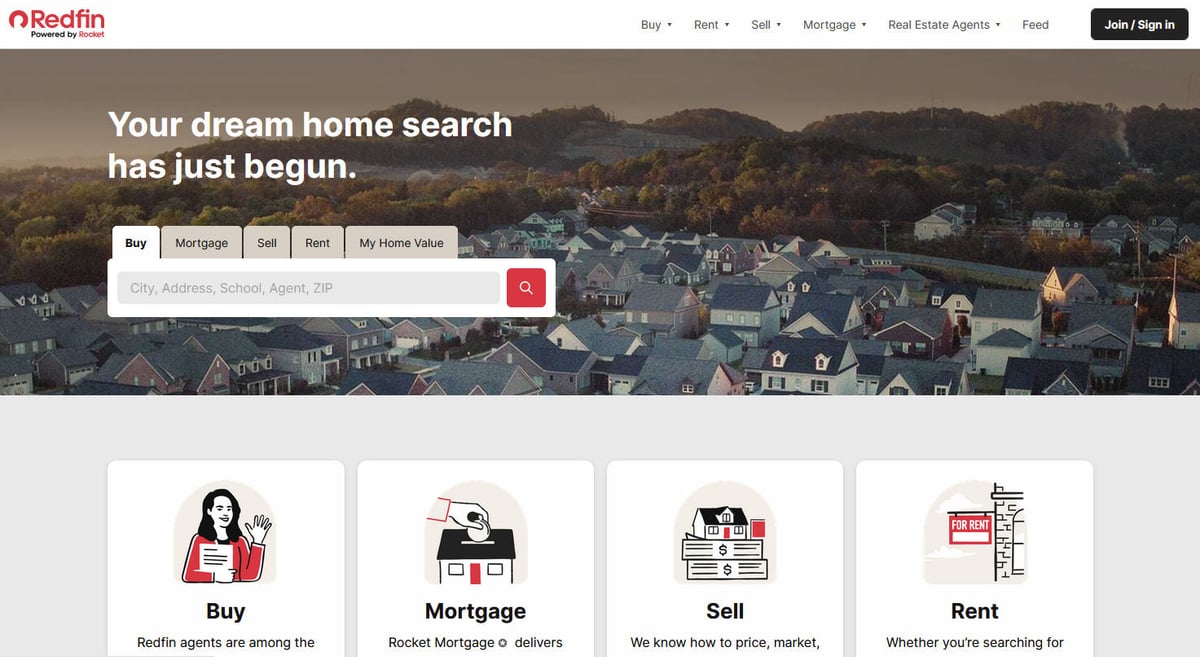
About Redfin
Learn what Redfin offers and what valuable data can be extracted from it.
**A Modern Real Estate Giant**
Redfin is a technology-powered real estate brokerage founded in 2004 that provides a comprehensive platform for buying, selling, and renting homes across the United States and Canada. Unlike many aggregators, Redfin is a licensed brokerage, which grants it direct access to Multiple Listing Service (MLS) feeds. This integration ensures that the platform provides highly accurate, real-time data on home prices, architectural details, and market history.
**Data Wealth for Investors**
The website serves as a primary source for real estate professionals and data scientists due to its granular information, including high-resolution images, historical price changes, and the proprietary Redfin Estimate home valuation tool. Scraping Redfin allows for large-scale data collection that is essential for monitoring fast-moving real estate markets and identifying investment opportunities.
**Industry-Leading Transparency**
Redfin is frequently praised for its user-friendly interface and detailed public disclosures regarding neighborhood school ratings and walkability scores. By extracting this data, users can build comprehensive datasets for urban planning, economic research, and competitive real estate analysis.
Why Scrape Redfin?
Discover the business value and use cases for extracting data from Redfin.
Access Precise MLS Data
Redfin is a direct brokerage, meaning its data comes straight from local MLS feeds, providing more accurate and timely property information than typical aggregators.
Identify Investment Leads
Extracting price drops, 'Hot Homes' tags, and new listings in real-time allows investors to identify and act on opportunities before the general public.
Analyze Market Comparables
Scraping historical 'Sold' data enables data scientists to build robust valuation models and automated valuation models (AVMs) based on actual transaction prices.
Neighborhood Quality Metrics
Collect Walk Scores, Transit Scores, and school ratings across thousands of listings to quantify neighborhood desirability for long-term urban planning research.
Calculate Rental ROI
By combining listing prices with estimated monthly payments and tax history, analysts can accurately calculate potential Cap Rates and Cash-on-Cash returns.
Track Market Inventory
Monitoring active listings versus pending sales across specific ZIP codes helps in identifying whether a micro-market is shifting toward buyers or sellers.
Scraping Challenges
Technical challenges you may encounter when scraping Redfin.
Akamai Bot Management
Redfin employs advanced Akamai protection that identifies and blocks automated traffic through sophisticated behavioral analysis and TLS fingerprinting.
JavaScript-Heavy Content
Crucial data points like the Redfin Estimate and historical tax tables are loaded dynamically via React, requiring a browser that can execute JavaScript fully.
Aggressive Rate Limiting
Making too many requests from a single IP address quickly triggers 429 Too Many Requests errors or a persistent reCAPTCHA wall.
Regional Selector Variations
Because data is pulled from hundreds of different MLS sources, the HTML structure of listing details can vary slightly depending on the property's location.
Data Obfuscation
Contact information and specific agent details are sometimes hidden behind interactive elements or require specific cookie headers to be visible.
Scrape Redfin with AI
No coding required. Extract data in minutes with AI-powered automation.
How It Works
Describe What You Need
Tell the AI what data you want to extract from Redfin. Just type it in plain language — no coding or selectors needed.
AI Extracts the Data
Our artificial intelligence navigates Redfin, handles dynamic content, and extracts exactly what you asked for.
Get Your Data
Receive clean, structured data ready to export as CSV, JSON, or send directly to your apps and workflows.
Why Use AI for Scraping
No-Code Web Scrapers for Redfin
Point-and-click alternatives to AI-powered scraping
Several no-code tools like Browse.ai, Octoparse, Axiom, and ParseHub can help you scrape Redfin. These tools use visual interfaces to select elements, but they come with trade-offs compared to AI-powered solutions.
Typical Workflow with No-Code Tools
Common Challenges
Learning curve
Understanding selectors and extraction logic takes time
Selectors break
Website changes can break your entire workflow
Dynamic content issues
JavaScript-heavy sites often require complex workarounds
CAPTCHA limitations
Most tools require manual intervention for CAPTCHAs
IP blocking
Aggressive scraping can get your IP banned
Code Examples
import requests
from bs4 import BeautifulSoup

# Redfin uses aggressive anti-bot; custom headers are mandatory
url = 'https://www.redfin.com/houses-near-me'
headers = {
    'User-Agent': 'Mozilla/5.0 (Windows NT 10.0; Win64; x64) AppleWebKit/537.36 (KHTML, like Gecko) Chrome/120.0.0.0 Safari/537.36',
    'Accept-Language': 'en-US,en;q=0.9'
}

try:
    response = requests.get(url, headers=headers)
    response.raise_for_status()
    soup = BeautifulSoup(response.text, 'html.parser')

    # Basic parsing of listing cards
    listings = soup.select('.HomeCardContainer')
    for house in listings:
        price = house.select_one('.homecardV2Price').get_text() if house.select_one('.homecardV2Price') else 'N/A'
        address = house.select_one('.homeAddressV2').get_text() if house.select_one('.homeAddressV2') else 'N/A'
        print(f'Price: {price}, Address: {address}')
except Exception as e:
    print(f'An error occurred: {e}')
When to Use
Best for static HTML pages where content is loaded server-side. The fastest and simplest approach when JavaScript rendering isn't required.
Advantages
- ●Fastest execution (no browser overhead)
- ●Lowest resource consumption
- ●Easy to parallelize with asyncio
- ●Great for APIs and static pages
Limitations
- ●Cannot execute JavaScript
- ●Fails on SPAs and dynamic content
- ●May struggle with complex anti-bot systems
from playwright.sync_api import sync_playwright

def scrape_redfin():
    with sync_playwright() as p:
        browser = p.chromium.launch(headless=True)
        context = browser.new_context(user_agent='Mozilla/5.0 (Windows NT 10.0; Win64; x64) AppleWebKit/537.36')
        page = context.new_page()

        # Navigate to a search result page
        page.goto('https://www.redfin.com/city/30756/GA/Atlanta')

        # Wait for listings to load dynamically
        page.wait_for_selector('.HomeCardContainer')

        # Extract data
        homes = page.query_selector_all('.HomeCardContainer')
        for home in homes:
            price = home.query_selector('.homecardV2Price').inner_text()
            address = home.query_selector('.homeAddressV2').inner_text()
            print({'address': address, 'price': price})

        browser.close()

scrape_redfin()
When to Use
Use when content loads dynamically via JavaScript, or when you need to interact with the page (clicks, scrolls, form fills). Handles modern anti-bot detection better.
Advantages
- ●Executes JavaScript like a real browser
- ●Handles SPAs and dynamic content
- ●Better anti-bot evasion with stealth plugins
- ●Can take screenshots and PDFs
Limitations
- ●Slower than HTTP requests
- ●Higher memory/CPU usage
- ●More complex to set up
import scrapy

class RedfinSpider(scrapy.Spider):
    name = 'redfin'
    start_urls = ['https://www.redfin.com/city/30756/GA/Atlanta']

    def parse(self, response):
        for home in response.css('.HomeCardContainer'):
            yield {
                'price': home.css('.homecardV2Price::text').get(),
                'address': home.css('.homeAddressV2::text').get(),
                'details': home.css('.stats::text').getall(),
            }

        # Pagination handling
        next_page = response.css('a.next::attr(href)').get()
        if next_page:
            yield response.follow(next_page, self.parse)
When to Use
Ideal for large-scale crawling projects that need to scrape thousands of pages. Built-in support for rate limiting, retries, and data pipelines.
Advantages
- ●Built for scale (millions of pages)
- ●Automatic request throttling
- ●Built-in data export pipelines
- ●Middleware system for proxies/headers
Limitations
- ●Steeper learning curve
- ●Overkill for small projects
- ●No native JavaScript rendering
const puppeteer = require('puppeteer');

(async () => {
  const browser = await puppeteer.launch({ headless: true });
  const page = await browser.newPage();
  await page.setUserAgent('Mozilla/5.0 (Windows NT 10.0; Win64; x64) AppleWebKit/537.36');

  await page.goto('https://www.redfin.com/city/30756/GA/Atlanta', { waitUntil: 'networkidle2' });

  const properties = await page.evaluate(() => {
    const results = [];
    document.querySelectorAll('.HomeCardContainer').forEach(card => {
      results.push({
        price: card.querySelector('.homecardV2Price')?.innerText,
        address: card.querySelector('.homeAddressV2')?.innerText
      });
    });
    return results;
  });

  console.log(properties);
  await browser.close();
})();
When to Use
Choose this if you're in a Node.js/JavaScript ecosystem or need tight integration with frontend tools. Similar capabilities to Playwright.
Advantages
- ●Native JavaScript/TypeScript support
- ●Chrome DevTools Protocol access
- ●Large ecosystem and community
- ●Good for JS-heavy projects
Limitations
- ●Chrome-only (vs Playwright's multi-browser)
- ●Similar overhead to Playwright
- ●Less mature stealth options
What You Can Do With Redfin Data
Explore practical applications and insights from Redfin data.
Real Estate Investment Analysis
Investors use Redfin data to identify undervalued properties and calculate potential returns.
How to implement:
- 1Scrape current listing prices in target neighborhoods.
- 2Compare against historical sold data for the same area.
- 3Identify properties with price-per-square-foot below market average.
- 4Automate alerts for new listings matching specific ROI criteria.
Use Automatio to extract data from Redfin and build these applications without writing code.
Competitive Brokerage Intelligence
Real estate firms monitor competitors' listing volume and agent performance.
How to implement:
- 1Extract listing agent and brokerage information from active listings.
- 2Analyze the time-on-market for specific firms compared to your own.
- 3Track market share by counting listing volume per ZIP code.
- 4Optimize marketing strategies based on competitor activity.
Use Automatio to extract data from Redfin and build these applications without writing code.
Housing Market Economic Research
Economists track housing health through supply, demand, and price trends.
How to implement:
- 1Aggregate monthly data on new listings versus sold properties.
- 2Calculate the sale-to-list price ratio for specific cities.
- 3Monitor inventory levels over time to predict market shifts.
- 4Use the data for academic research or financial forecasting.
Use Automatio to extract data from Redfin and build these applications without writing code.
Automated Property Appraisal
Generate immediate property valuations for fintech or mortgage applications using real-time local comps.
How to implement:
- 1Extract Sold listings from the last 6 months in a specific radius.
- 2Collect property features like bedrooms, baths, and lot size.
- 3Calculate the average sale price of similar properties.
- 4Adjust values based on the Redfin Estimate and market velocity.
Use Automatio to extract data from Redfin and build these applications without writing code.
Real Estate Market Heatmaps
Visualize property values and inventory levels across regions to identify growth zones.
How to implement:
- 1Identify target metropolitan areas.
- 2Scrape listing prices, square footage, and neighborhood names.
- 3Normalize data by calculating price per square foot.
- 4Use mapping software to visualize value density across the map.
Use Automatio to extract data from Redfin and build these applications without writing code.
Supercharge your workflow with AI Automation
Automatio combines the power of AI agents, web automation, and smart integrations to help you accomplish more in less time.
What to get right first
Expert advice for successfully extracting data from Redfin.
Inspect ld+json Blocks
The page source often contains structured JSON-LD data which is much easier to parse and less prone to breaking than standard HTML selectors.
Use Residential Proxies
Redfin blocks most data center IP ranges; using residential proxies is critical to mimic authentic residential user traffic and avoid detection.
Target ZIP-Level URLs
To avoid listing limits on search pages, scrape one ZIP code at a time to ensure you capture every property available in a given region.
Introduce Human Jitter
Set randomized wait times between 5 to 15 seconds to simulate a human user browsing listings, which helps in avoiding behavioral bot detection.
Monitor Internal XHR
Many high-value metrics like school data are fetched via internal API calls that can be captured in the network tab for cleaner data extraction.
Scrape During Off-Peak Hours
Running your scrapers during late-night hours for the target region can lead to lower latency and a reduced likelihood of triggering aggressive rate limits.
Related Web Scraping
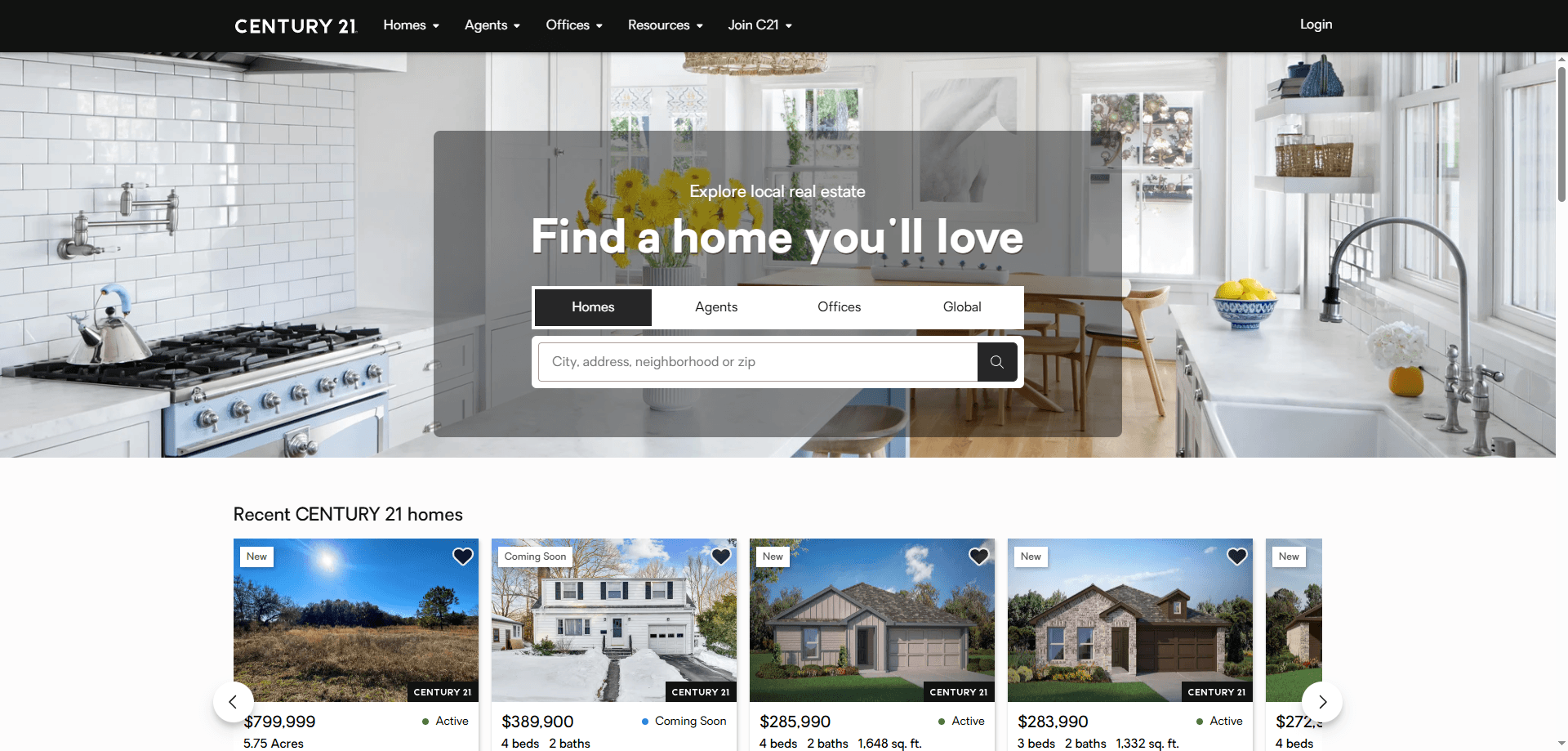
How to Scrape Century 21 Property Listings

How to Scrape SeLoger Bureaux & Commerces
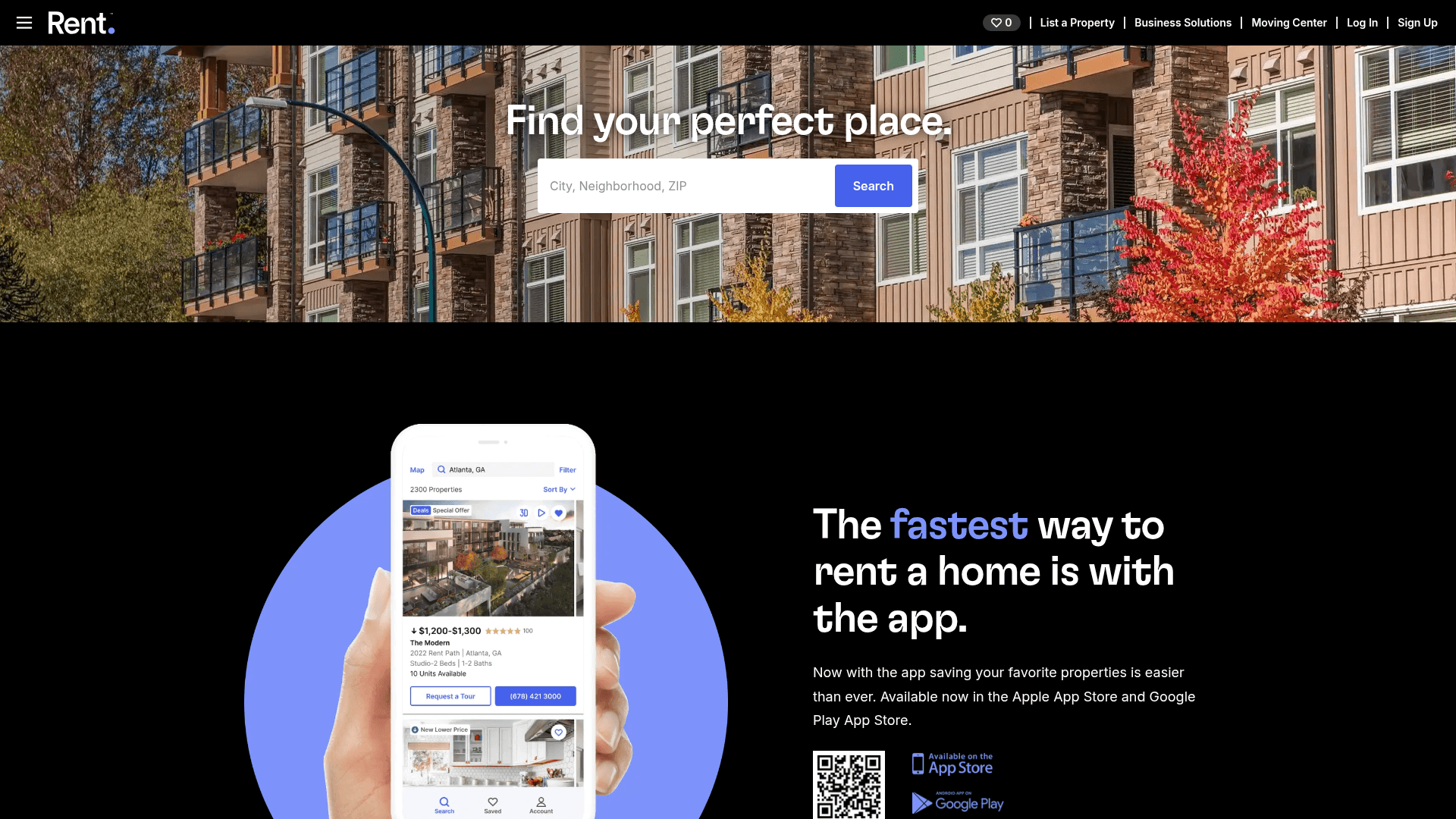
How to Scrape Rent.com: A Guide to Real Estate Data Extraction

How to Scrape RE/MAX (remax.com) Real Estate Listings
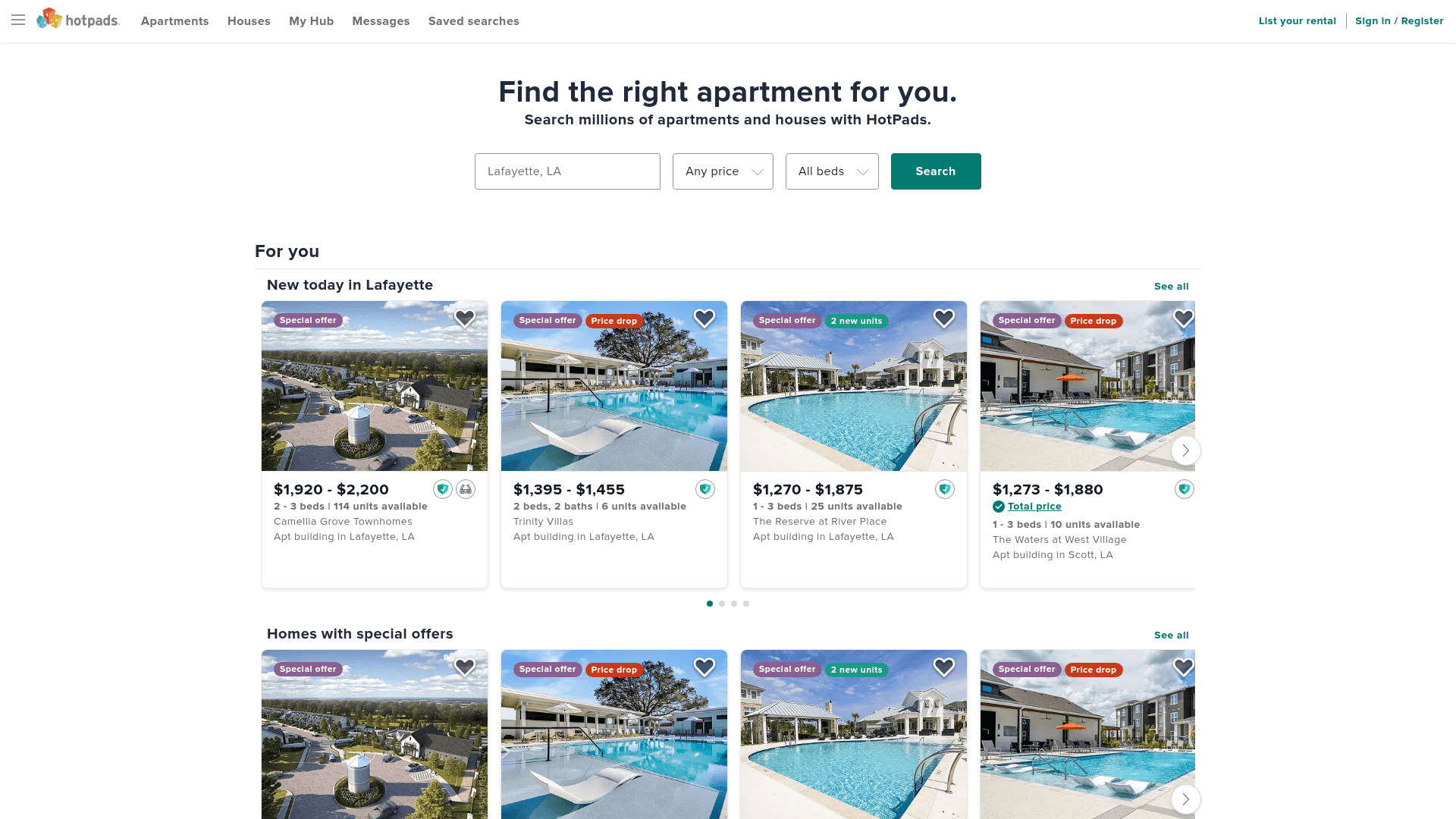
How to Scrape HotPads: A Complete Guide to Extracting Rental Data

How to Scrape Homes.com: Real Estate Data Extraction Guide

How to Scrape Geolocaux | Geolocaux Web Scraper Guide

How to Scrape Apartments.com | Apartments.com Web Scraper Guide
Frequently Asked Questions
Find answers to common questions about Redfin
Is it legal to scrape Redfin?
Scraping publicly accessible data from Redfin is generally considered legal under current U.S. precedents like hiQ v. LinkedIn, as long as the data is not copyrighted (like photos) and you do not harm their server performance. Always ensure you are not logged in and are following ethical scraping practices.
Does Redfin have an official API for developers?
No, Redfin does not provide a public REST API for individual property data extraction. They offer a 'Data Center' for bulk market trends, but a web scraper is required for granular listing-level details like prices and addresses.
How do I avoid getting blocked by Redfin's Akamai shield?
To bypass Akamai, you must use high-quality residential proxies and a headless browser that can handle stealth plugins. Rotating your User-Agent and maintaining human-like request intervals are also essential strategies for long-term scraping.
What format can I get the Redfin data in?
Using modern scraping tools, you can export Redfin data into structured formats like CSV, JSON, or XML. You can also automate the delivery of this data directly into Google Sheets or an external SQL database.
How often should I scrape Redfin for new listings?
Since Redfin updates its data from the MLS every few minutes, scraping once or twice daily is usually sufficient for most investors. However, for highly competitive markets, you might consider running your scraper every 15-30 minutes.
Can I scrape sold property history on Redfin?
Yes, Redfin provides a toggle for 'Sold' listings which allows you to view historical transaction prices and dates. You can scrape these pages to build a comprehensive historical database for market analysis.
Do I need to be logged in to scrape property details?
Most property information, including price and features, is available to the public without an account. It is highly recommended to scrape without logging in to protect your account from being banned for automated activity.
What should I do if I see a 429 Too Many Requests error?
A 429 error means Redfin has flagged your IP for excessive traffic. You should immediately stop your scraper, increase your delay intervals, and switch to a new set of residential proxies before resuming.
Can I scrape the Redfin Estimate?
Yes, the Redfin Estimate is visible on most property pages, though it is often rendered via JavaScript. You will need a scraper that supports JS execution to capture this specific value accurately.